Profile: Scott Webster ('93)
Profile: Scott Webster ('93)
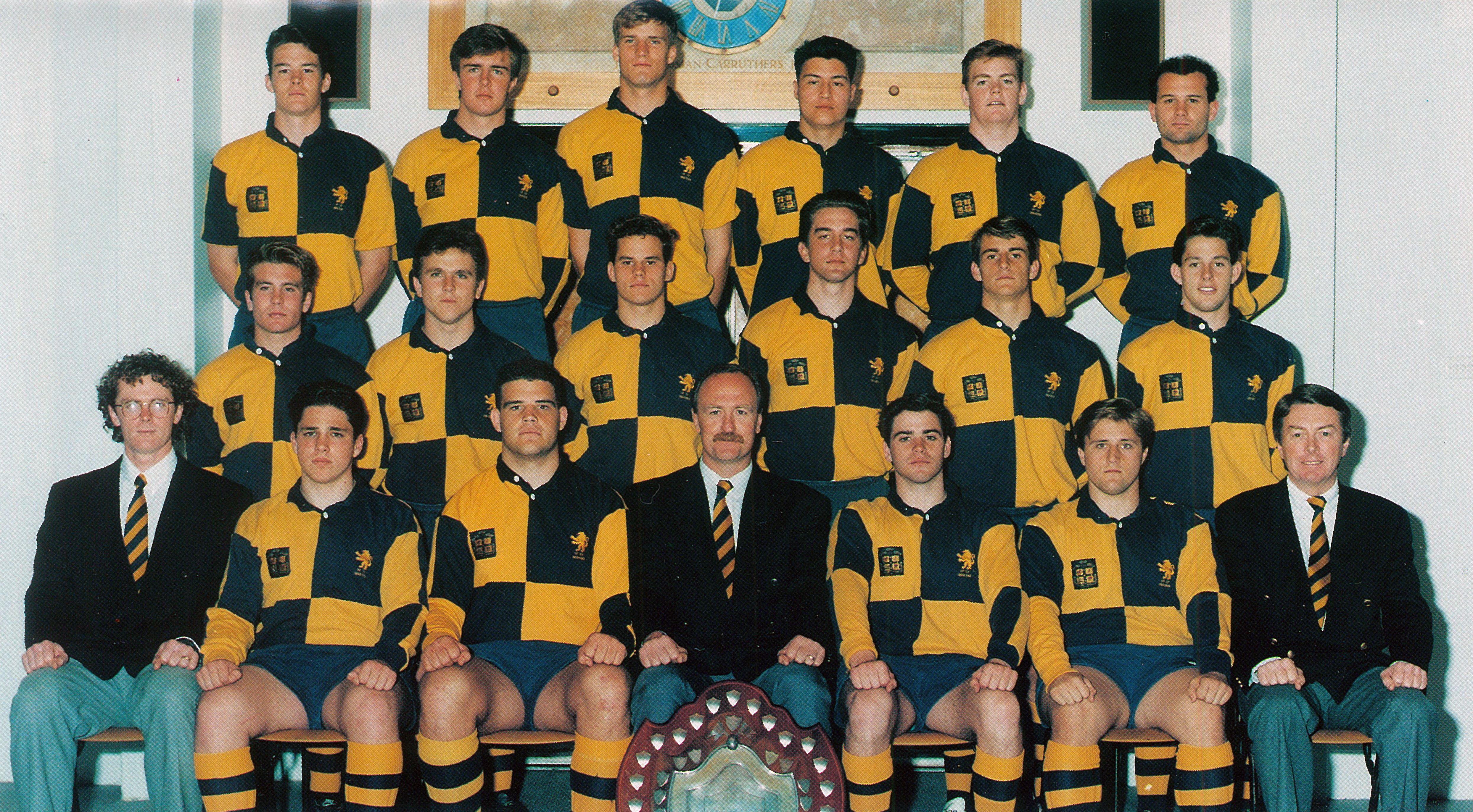
Every Scots’ boy who is familiar with Scots’ folklore, whether current or old, knows about the Scots 1993 Centenary year premiership-winning 1st XV. Their crowning moment came in the premiership-deciding clash with Joeys, watched by over 10,000 members of the Scots and wider Sydney rugby community. There was only one standing room on Scotsman Hill, on which the Lang Walker Business Building now stands.
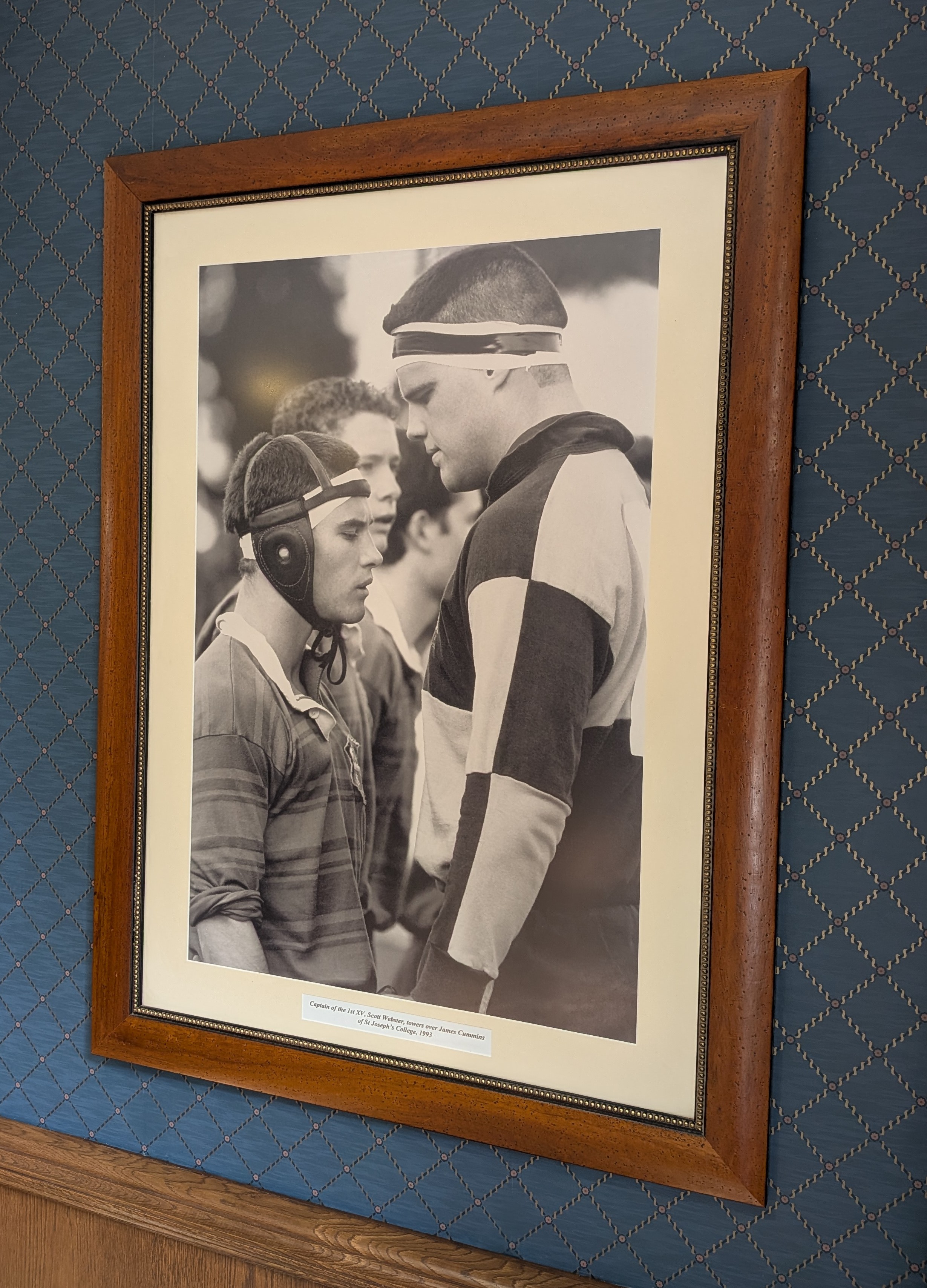
So auspicious was the occasion that the ABC produced a 10-minute report on the event, with our own Old Boy, Steve Robilliard (‘74), leading the coverage. And while that team produced only one Wallaby, Tom Bowman (‘94), many others in the side went on to achieve great feats away from rugby. One of them was Scott Webster (‘93), the captain and loosehead prop, and one of the headline players in an already star-studded line-up. Many will be familiar with him, as a photo of Scott towering over the opposing St Joseph's captain, James Cummins, still hangs proudly on the dining room walls. If any photo could have gone “viral” back in 1993, this would have been one of them.
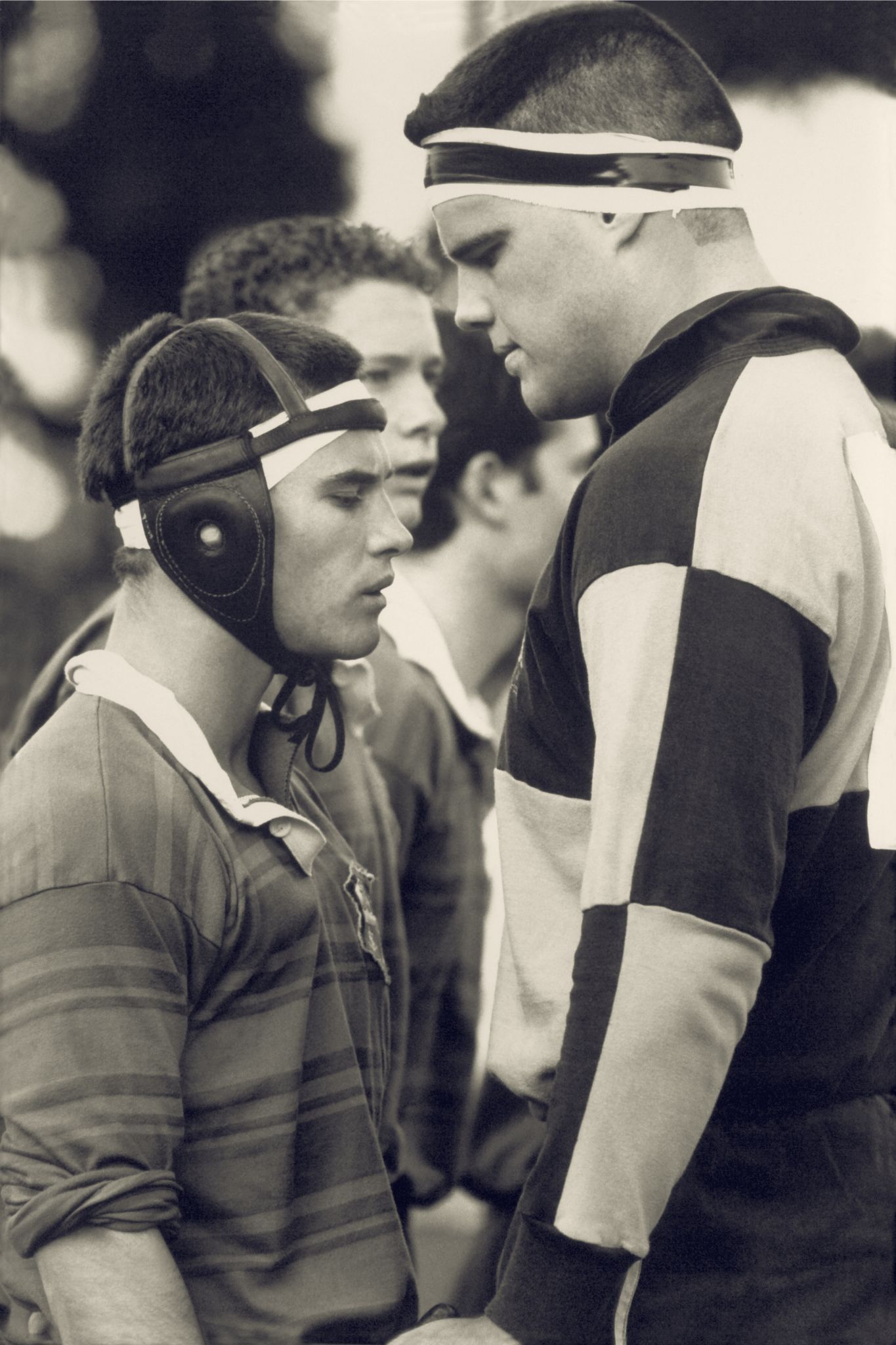
Scott recalls the Joeys match as one of the defining experiences of his time at Scots. Coming in as a boarder in Royle House and captaining the 1st XV in the school’s centenary year, he was struck by the scale of the occasion and the sense of expectation that came with it. He remembers running out behind the pipes onto a hill packed with students, Old Boys, and temporary grandstands on both sides, the air buzzing with anticipation. Having Scottish ancestry, with a grandfather from Dundee who played the bagpipes, made the pageantry and sound of the pipes especially resonant for him. The famous photo of him towering over the Joey's captain captured that intensity, though Scott jokes it made him look about eight feet tall. Beyond the image, it was the knowledge that the whole school was behind the side, and the relief and pride when Scots not only won but pulled away convincingly, that has stayed with him ever since.
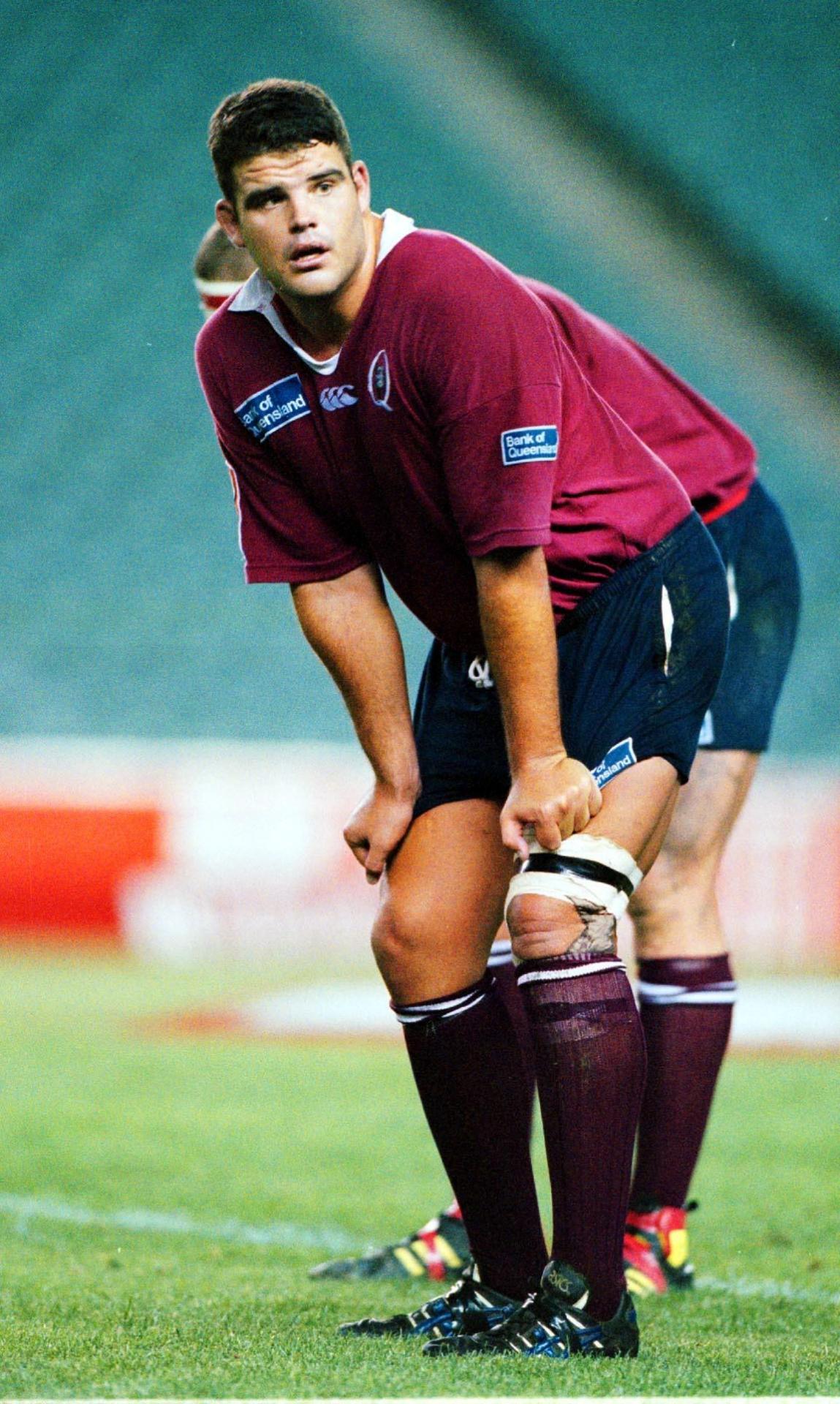
Scott left school and followed the well-worn path of playing for Eastern Suburbs Rugby Club, moving straight into colts and making the occasional appearance in the grade sides. He gained selection in the Australian U21 side, which took the rare scalp of the Junior All Blacks. His performances in that tournament earned him a one-year contract with a stacked Queensland Reds side that had just come off a premiership winning season in the 1995 Super 10. The team included household names such as John Eales, Tim Horan and Jason Little. His career started brilliantly. Injuries opened the door for him to start the first game of the season, and he held his place for the rest of the year, eventually earning a four-year contract with the Reds.
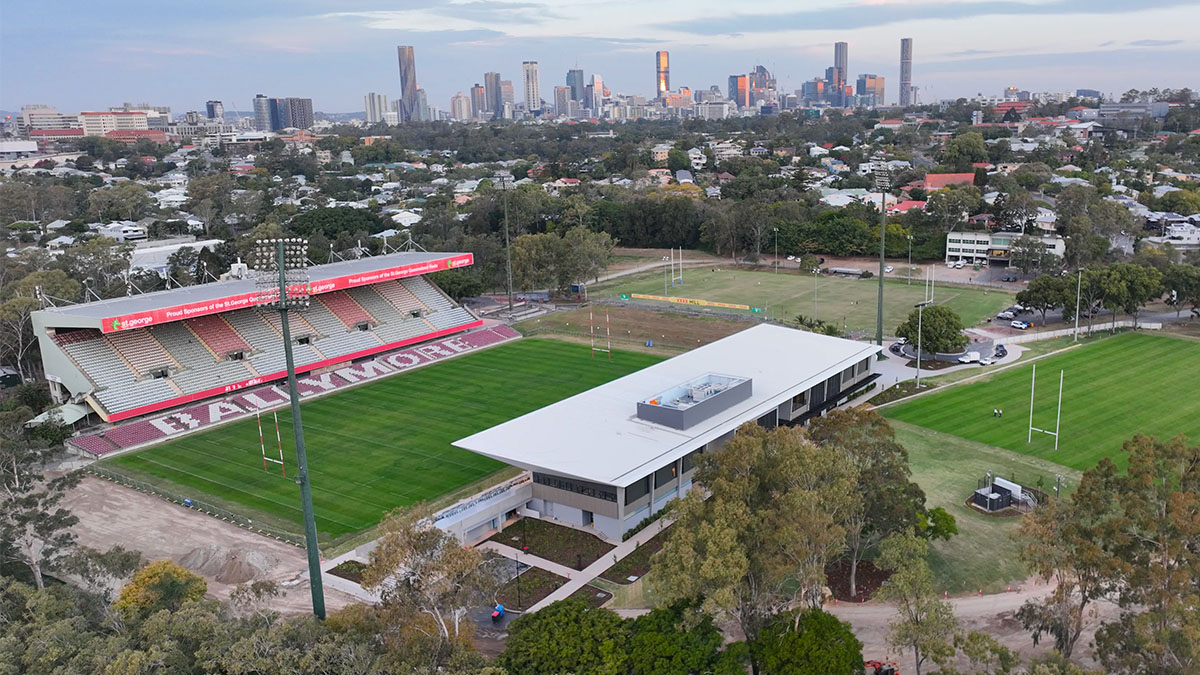
A sliding-doors moment then came. During a captain’s run led by John Eales on a Friday night at Ballymore Stadium, an 11-year-old child ran up to the Reds while they were training, screaming that his father was dying. Most of the team froze in shock, unsure what to do. Scott did not. Drawing on his childhood experience around surf clubs, where he earned his bronze medallion, he knew first aid and CPR. He and the Reds physio followed the child into the backfield of Ballymore and began CPR on the middle-aged man, who was in cardiac arrest. They continued for 20 minutes until paramedics arrived. The man later made a remarkable recovery in hospital.
The moment planted a seed. Scott decided to pursue a career in paramedicine. He let his Reds contract lapse and, after a final season playing in Ireland, enrolled in paramedic training in Sydney, much to the dismay of his “rugby-crazy” family. He started as a trainee in 1999 and became a fully qualified paramedic in 2000. His progression was rapid. Within three years he had become an intensive care paramedic.
After gaining his intensive care certification, Scott joined the Special Casualty Access Team, essentially the special-forces equivalent within the ambulance service. He completed a seven to eight week paramilitary-style selection course and began undertaking some of the service’s highest risk operations, including alpine rescues, cave rescues, and helicopter support. These are also the paramedics called in during high risk police operations where there is a strong chance of firearms injuries.
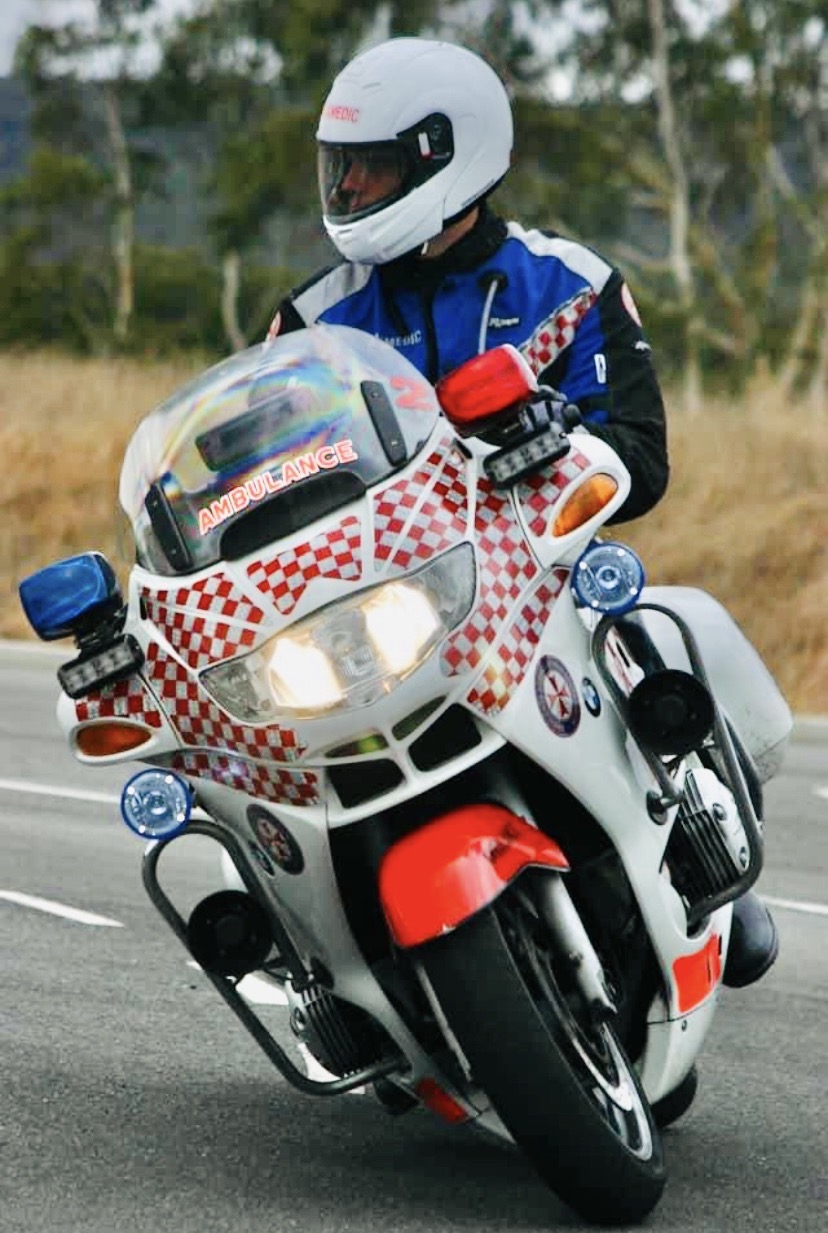
A few years later, Scott reached the pinnacle of his paramedicine career, becoming a Motorcycle Intensive Care Paramedic, one of the most competitive roles in the ambulance service. Based out of the CBD station, motorcycle paramedics are often first on scene and work alone, stabilising patients and controlling situations while waiting for a larger ambulance crew to arrive.
Scott’s experiences in the role have been wide-ranging. From police radio jobs to stabilising patients during active brawls and domestic violence incidents, often while managing the chaos around him, he has had guns pulled on him and been involved in numerous physical altercations. In his time as a Paramedic, Scott estimates he delivered around 80 to 100 babies, including twins and breech births.
.
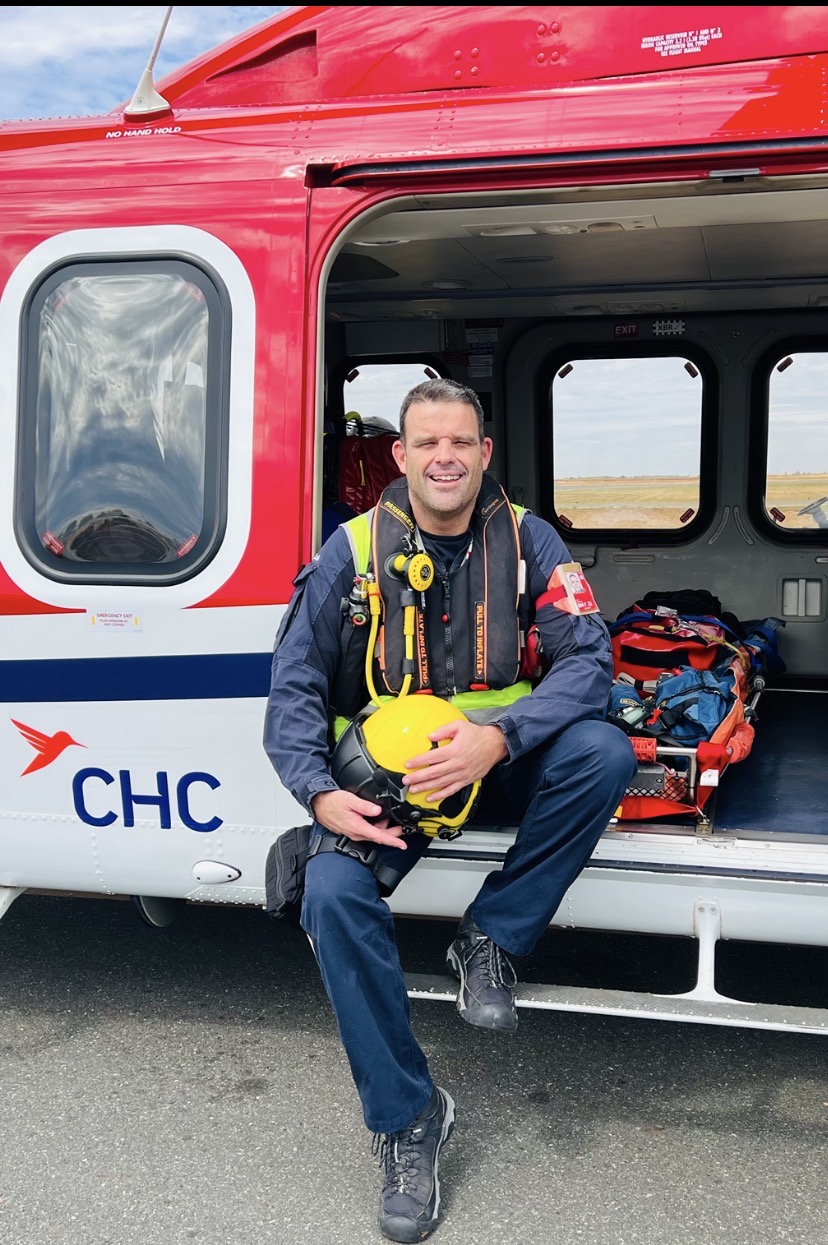
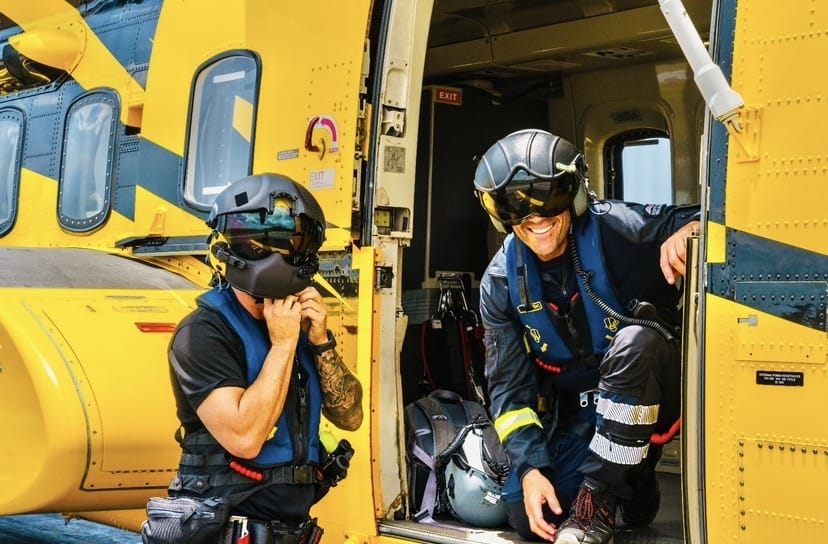
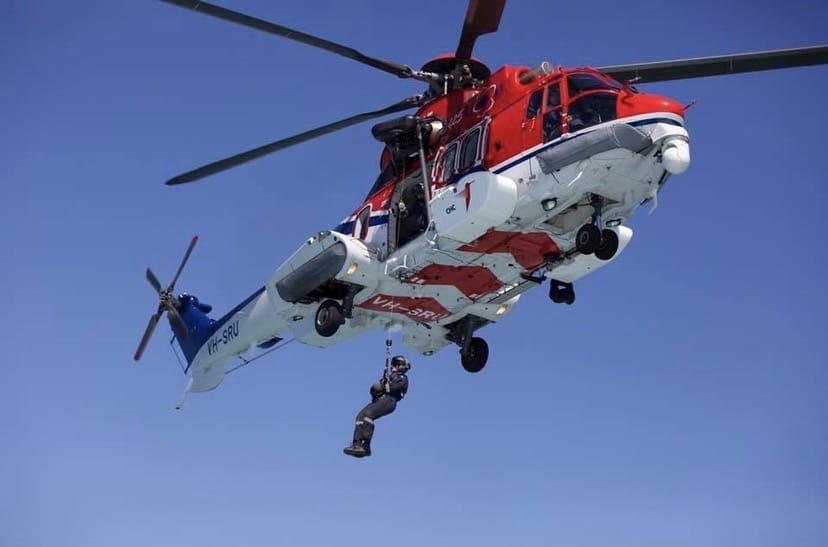
For the past decade, Scott has operated at the very forefront of out-of-hospital emergency medicine, first as a Critical Care Flight Paramedic and now as an Aeromedical Retrieval Flight Paramedic with the Royal Flying Doctor Service in Western Australia. Working across both helicopters and fixed-wing aircraft, he delivers intensive care in some of the most remote and unforgiving environments in Australia and the wider region.
His dual role demands not only advanced clinical expertise but also technical rescue capability: winching into canyons and heavy surf, retrieving survivors from life rafts at sea, and managing critically ill or injured patients within the confined space of aircraft cabins or on rugged terrain. Scott has also supported ADF operations and undertaken international retrieval missions, repatriating critically injured Australians from locations including Bali and across the Pacific to definitive care at home.
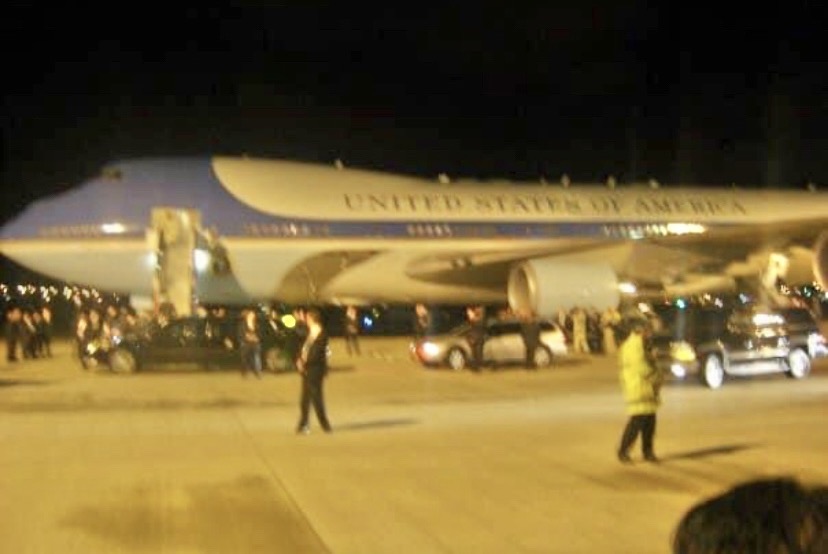
Across an almost 25 year career, the average for male paramedics is around five, Scott has had several notable moments. He was assigned as a motorcycle paramedic in the motorcade for George W. Bush during his visit to Sydney for APEC Australia 2007, and later in a similar role for Pope Benedict XVI during World Youth Day 2008. He has also worked at major events such as the Ultimate Fighting Championship. One memorable moment came when he was assigned to The Rolling Stones. Band stalwart Jimmy Miller began showing clear signs of an incoming heart attack, pale and sweating heavily. Jimmy, who had not missed a live show in 40 years, was adamant about performing and refused medical advice not to go on. Eventually, Scott convinced him otherwise and got him to hospital, potentially saving his life.
For Scott, the match and his time at Scots offered lessons in discipline, manners, and camaraderie, and showed him what it feels like to have a community behind a shared goal. These were important experiences, but they were only one part of the path that followed. In rugby, his own determination, skill, and resilience carried him from the Australian U21s to the Queensland Reds. Later, it was those same qualities, alongside quick thinking and courage, that guided him when he chose to pursue paramedicine and faced the challenges of high-risk rescues, intensive care, and working as a motorcycle paramedic. He is now a critical care paramedic with the NSW Royal Flying Doctor Service. Scots provided a foundation, a glimpse of what can be achieved with focus and support, but it was Scott’s own drive and decisions that shaped the extraordinary career and life he went on to lead.